Pokémon Fangames Evolve Beyond Their Origins
For fangame creators, the work they develop and the communities they inspire are inextricably tied.
Pokémon is one of the most adaptable and flexible media franchises in the world. Since it started as a video game over thirty years ago, Pokémon has gotten an anime series, a manga, live-action movie adaptations, loads of toys, and a tabletop card game.
These days, there seems to be a Pokémon game for every type of person. People who like to go outside can catch Pokémon out in the world in Pokémon Go; die-hard strategists can play Pokémon Champions; self-proclaimed cozy gamers can enjoy the adorable Minecraft-like game Pokopia. And, of course, there are the dozens of mainline games where players catch, train, and battle Pokémon that form the core of the franchise fans know and love today.
The first set of Pokémon games, Pokémon Red and Pokémon Green, were released in Japan in 1996. English speakers got their first official introduction to the Japanese video-game franchise when Pokémon Red and Blue were localized and released in North America in 1998. Pokémon is divided up into what the developers call “generations.” Each generation introduces a new region for players to explore and a new set of Pokémon to collect. The most recent generation, gen 9, debuted in the Pokémon Scarlet and Violet games in 2022.
Outside these core titles, spin-off games take the recognizable characters from the Pokémon series and adapt the IP for different concepts. Pokémon Pinball thoughtfully reimagines pinball to include its monster-catch mechanics. Pokémon Unite is a top-down multiplayer online battle arena game reminiscent of League of Legends, except you battle as the Pokémon themselves instead of fantasy heroes. One of my personal favorites, Pokémon Channel, is a pet-simulator game where you take care of a Pikachu that refuses to touch grass.
Despite the plethora of officially licensed offerings, fangames have flourished throughout much of Pokémon history. As of today, there’s never been a comprehensive survey of this kind of Pokémon fanwork. Some fan-run wikis suggest that thousands of Pokémon fangames have been released over the decades. According to Bulbapedia, in the 1990s, developers used the ROM-hack method, modifying Game Boy games like Pokémon Red to make minor changes to dialogue. These mods expanded the base content of Pokémon Red, and by the 2000s, they started to gain notoriety and became well-documented within fan communities. Developers like KoolBoyMan created ROM Hacks like Pokémon Brown, which used Pokémon Red as a base and added a new region to explore, a larger PokeDex, and new attack moves.
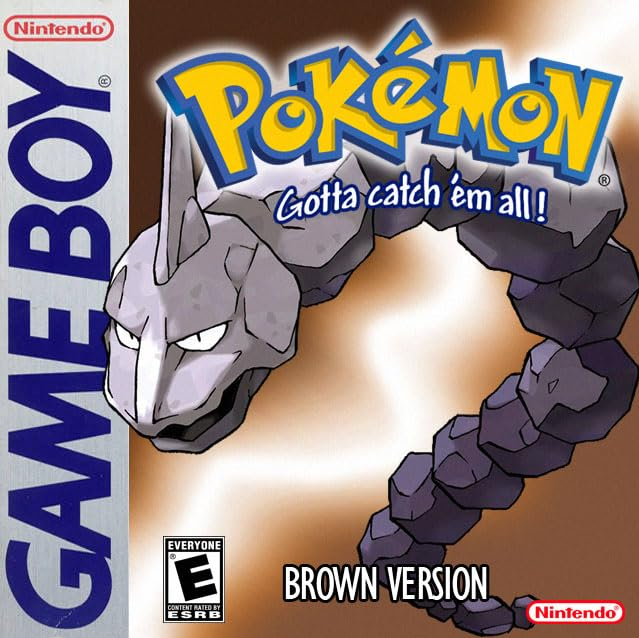
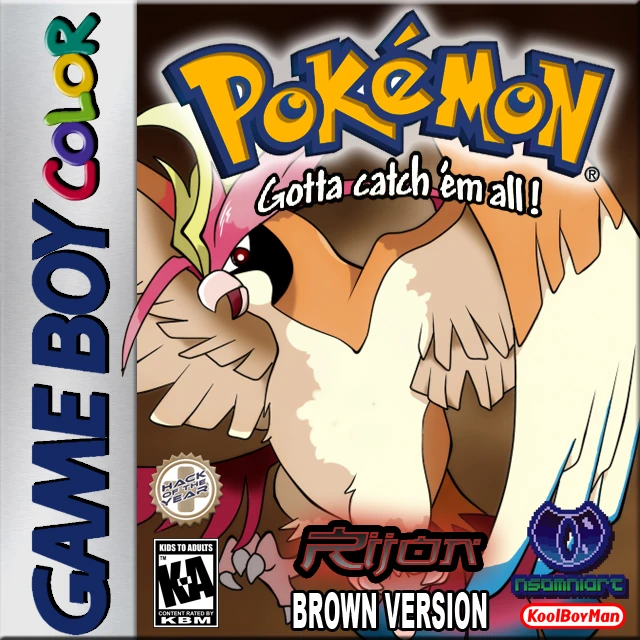
The covers to Pokémon: Brown Version clearly satirize traditional Pokémon cases. Images courtesy of KoolBoyMan.
The popularity of the fangames themselves attests to the central role they play in the Pokémon fandom, which is massive: Pokémon is estimated to be the highest-grossing media franchise in the world. Fangames have huge audiences; Pokémon Uranium, for example, has reportedly been downloaded more than 1.5 million times. A quick search on YouTube reveals that video in which people play these games can garner hundreds of thousands, sometimes millions, of views. Fangames have thrived not just because of their creators, but because of their communities. Behind the development of every successful Pokémon game is a massive group of dedicated fans, volunteering their time, effort, and art to help create something for the entire Pokémon fan community to enjoy.
Frogzilla, the creator and main developer of Pokémon Infinite Fusion, started working on his fan project his first year of college. As the name suggests, this fangame allows players to fuse Pokémon together to make chimera-like amalgamations and fight with them. Frogzilla first got the idea after seeing a gimmick website that allowed people to fuse Pokémon together visually. As he explained to me in an interview, the game started as a simple tech demo to see if the idea was even possible. People quickly showed interest, and he slowly worked on developing the full game for the next few years.
“At some point someone made a Discord for me and we started building a small community around the game where people would submit sprites for it, and we would collect them one by one to put them into the game,” Frogzilla said. “Eventually as the community and the number of spriters grew, we got more organized and started using tools for collecting the sprites, but it was still a relatively small community.”
At the time, the “relatively small” community was roughly 20,000-strong on Discord. The chatting app became a regular place for supporters of the project to talk to each other and stay up-to-date with the creation of the game. Eventually, fans shifted from chatting about the game to actively participating in its development by creating sprite art to add to it. According to Frogzilla, this participation “really helped people develop a sense of attachment” to the larger community.
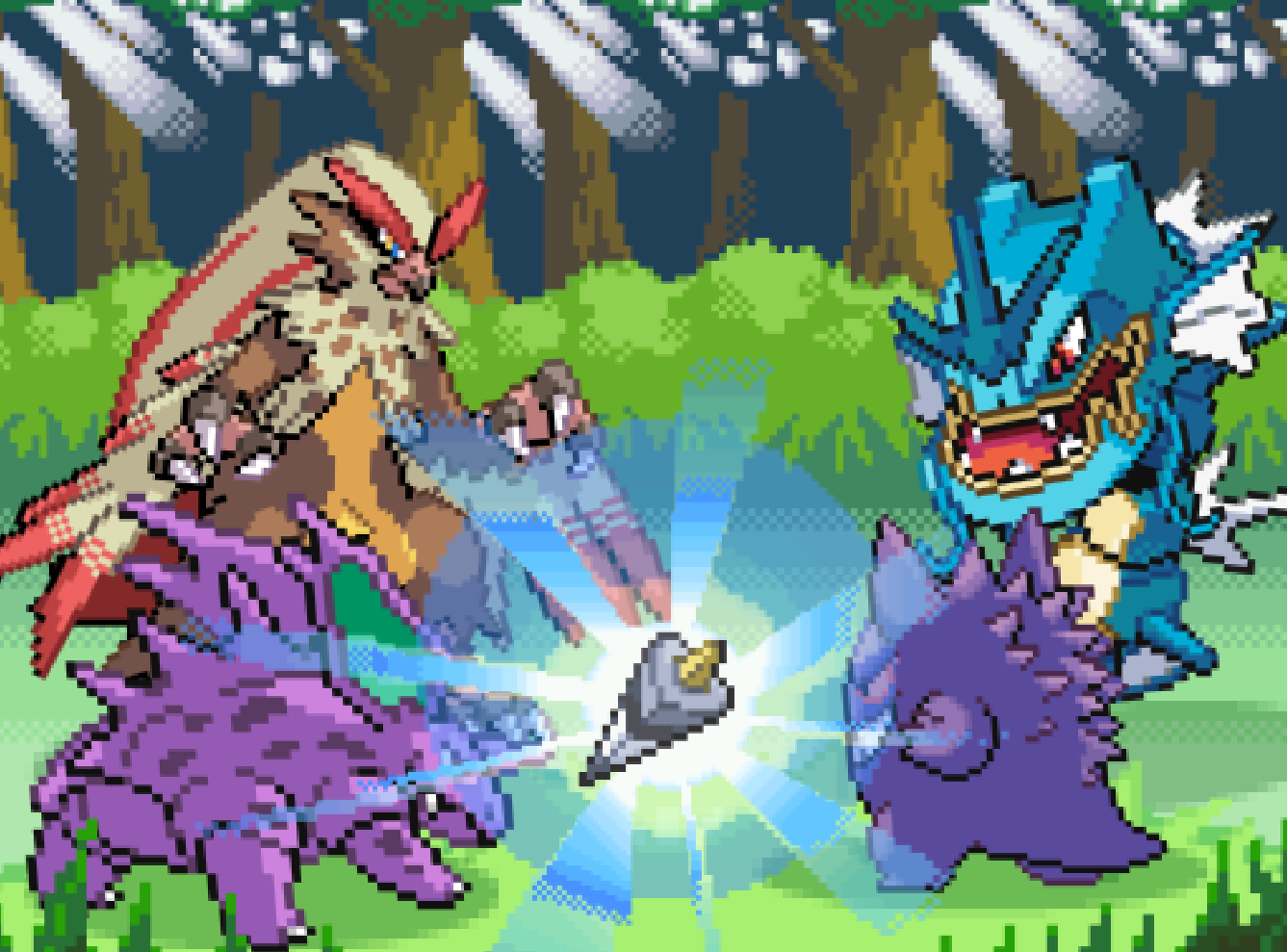

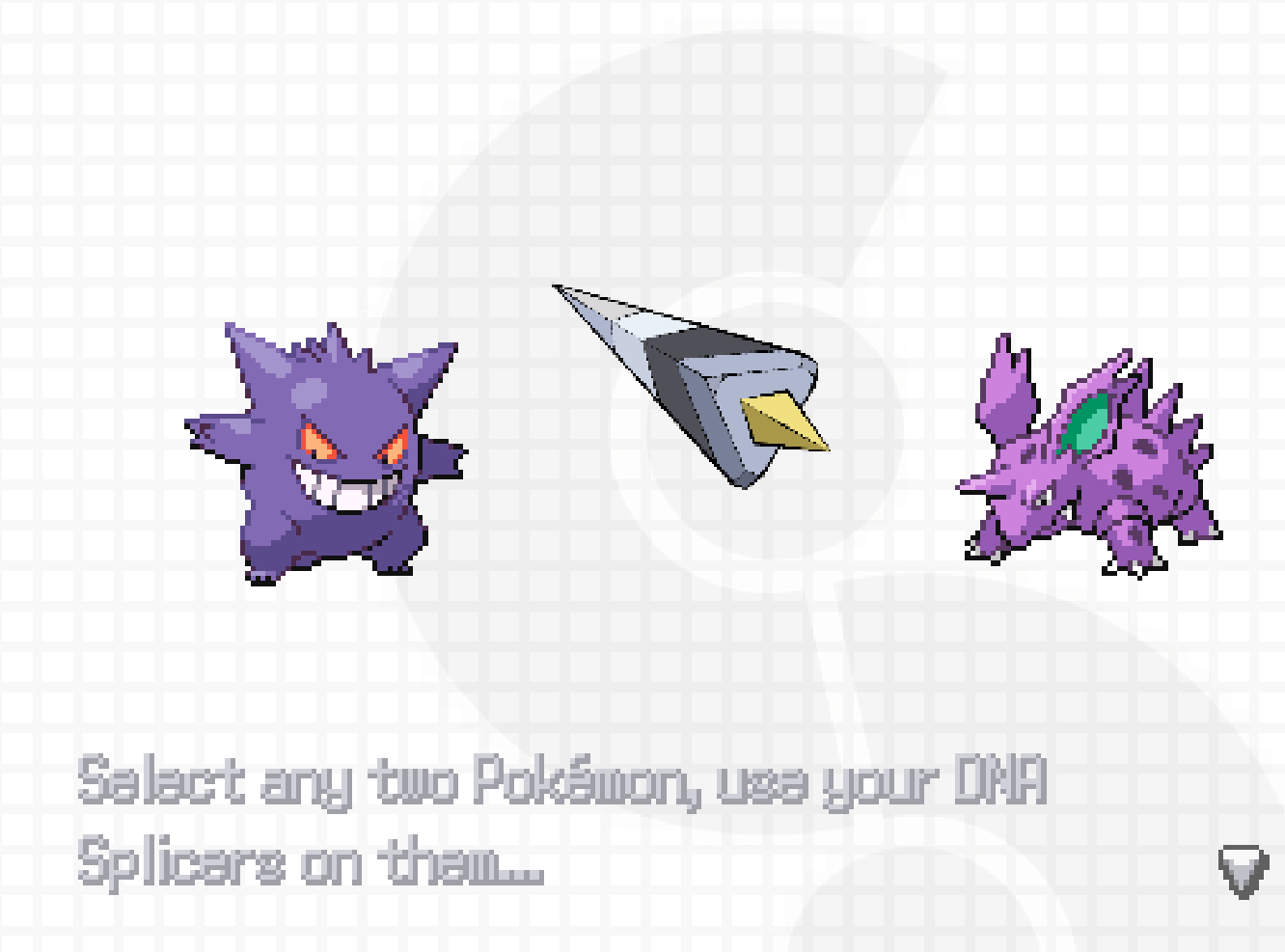
“If we didn’t have the community aspect to the game, Infinite Fusion would probably just be a niche novelty game,” said creator Frogzilla. Screenshots courtesy of Ana Diaz.
“Those submitted sprites are one of the main draws of the game, and a lot of people play it just to see the wacky fusion sprites that others have made,” he said. “Quite frankly, if we didn’t have the community aspect to the game, Infinite Fusion would probably just be a niche novelty game.”
Frogzilla initially resisted community contributions; the game required thousands of different creature models, and the game would look strange if a select number of creatures had custom art and others had the generated version. However, fans kept sending him art to add, and the community grew significantly. In 2023, Pokémon Infinite Fusion went viral on TikTok and YouTube, and suddenly, his small community went from 20,000 members to 200,000 members in just a few months—so he caved.
“Now we have literally over 230,000 sprites that people made and submitted to the game. It’s mind-boggling!” he said. “There are multiple artists on the Discord that have submitted over a thousand different ones!”
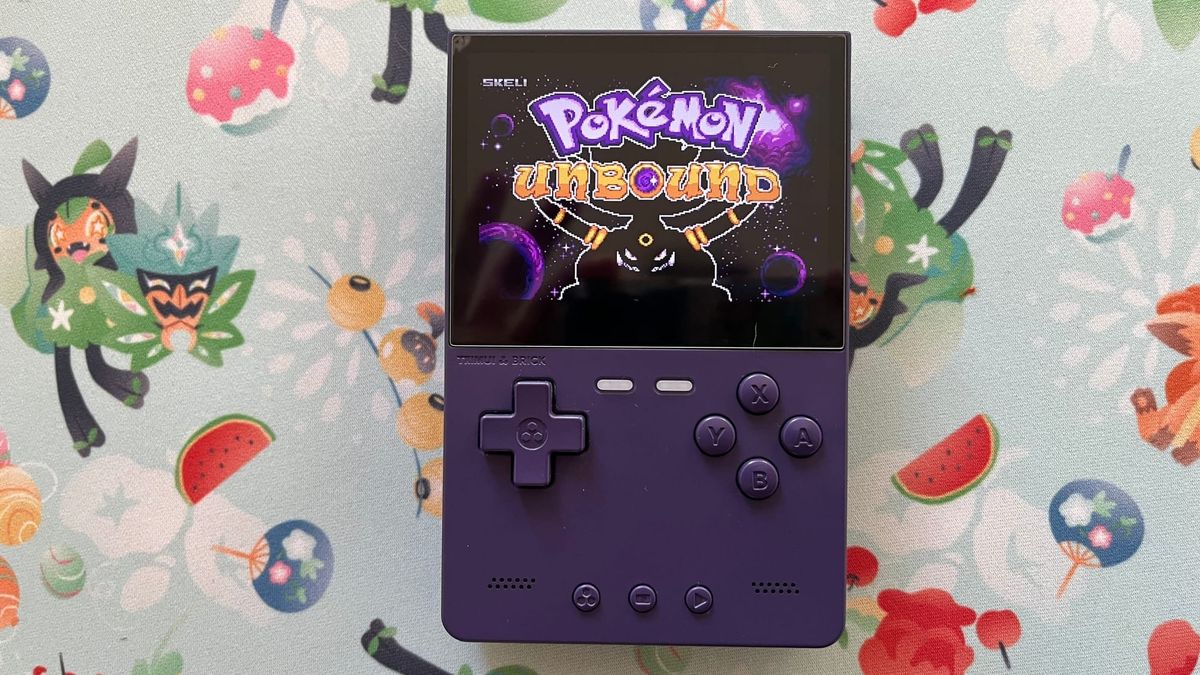
Pokémon fangames run the gamut from edited versions of previously released games (such as Pokémon Renegade Platinum), to completely original concepts that introduce new parts of the gameplay experience (such as Pokémon Unbound). With ROM hacks, developers edit the read-only memory code of a previously released game and make changes like adding a new language or difficulty mode. In other instances, developers might use a more-involved method like ASM hacking, creating fanworks that play like original games, where developers introduce new stories, regions to explore, and even visual rehauls.
Other fangame developers make works from the ground up, often using tools like RPGMaker to create original code and game engines. What makes these works Pokémon fangames rather than complete originals is that they either contain the beloved creatures from the mainline series, or they mimic the tone and gameplay of a previously released game when creators add their own original Pokémon. This was the case with Pokémon Infinite Fusion—and with another fangame called Pokémon Reborn.
Amethyst Liddell, the original creator of Pokémon Reborn (and its later version, Reborn Evolved), said that the community around her game “literally exists” because of Discord. Reborn started as a collection of friends who were, as Amethyst put it, from “different corners of the internet.” After a few years, she started an online league hosted on a private server of the battle simulator Shoddy, but later opened it up to the public. People would roleplay as characters, and eventually, Amethyst created a game inspired by those characters. The community continued to grow slowly until YouTubers found the project, thus catapulting it to newfound popularity.
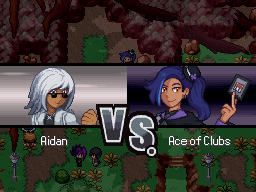
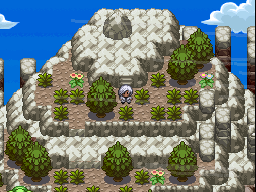

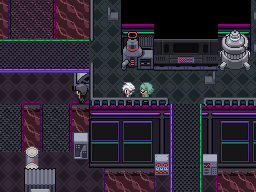
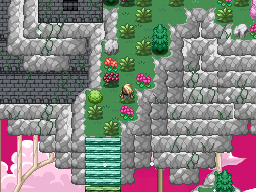
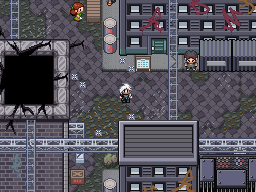
Pokémon Reborn started as a collection of friends who were, as creator Amethyst Liddell put it, from “different corners of the internet.” Screenshots courtesy of Ana Diaz.
“I couldn’t have done it well without such a passionate playerbase to engage in the game, give feedback both positive and constructive, and make connections with each other to help sustain the energy between long development times,” Liddell told me. “Because of all of that, it’s difficult to say exactly how the community affected the creation of the game. How does water affect the creation of the ocean? I can hardly separate one from the other.”
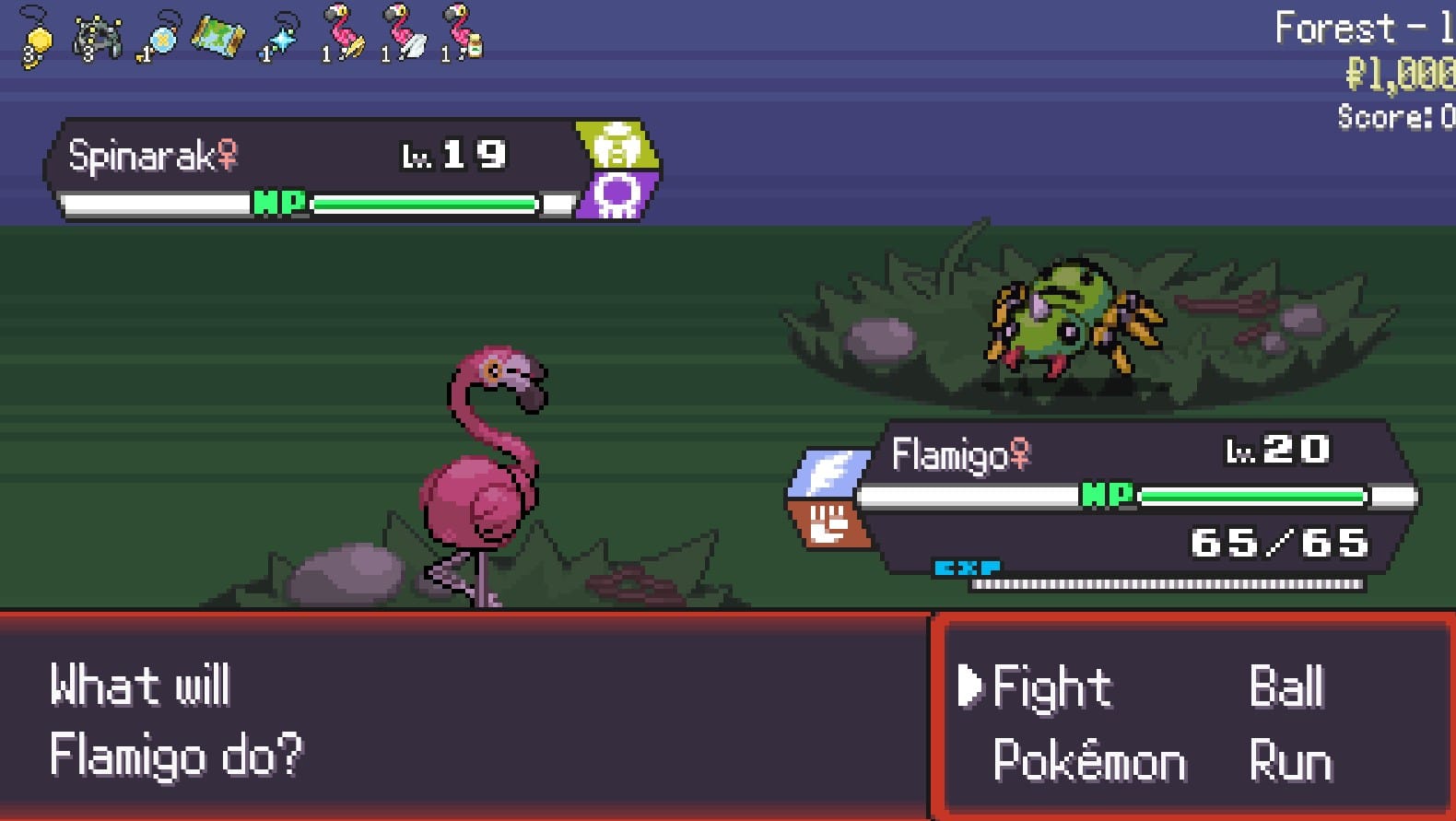
With both Pokémon Infinite Fusion and Pokémon Reborn, players’ contributions and enthusiasm encouraged the original creators to continue their games’ development. However, sometimes creators pull back from their popular fangame. The main developer of PokéRogue, a browser game that adapts the core battling mechanics of mainline Pokémon games into a rogue-lite game, stepped away for personal reasons only two months after the game launched in 2024, leaving players to wonder what would happen to the project.
In PokéRogue, players battle until all their Pokémon faint, trying to progress the game as far as possible while accruing items to boost the strength of their creatures. It’s also playable in a browser, making it easy for any person to hop on at a moment’s notice—and in just two months, it had attracted a sizable audience of players.
Damo, who’s currently a manager of the PokéRogue project, is one of the developers who helped keep the game alive. Damo first got involved in 2024, starting as a fan who played the game. When they found a few technical issues, they went about finding a fix themselves. When talking about the project, they emphasized how many people work on the game today, and acknowledged the efforts of other people on the team, including coders, artists, composers, translators, wiki editors, and even the Discord moderators.
“It originally was just one [person] with a few extra hands,” Damo told me. “Now, there are whole teams within the team, all working for free on a Pokémon fan project just because we enjoy it. It really means a lot that there are still so many people that play the game.” PokéRogue is still supported by this team to this day, and there have been continuous, active updates to the game since its release.
This kind of support within creator-communities allows developers a certain kind of flexibility when creating games. Not everything needs to fall onto a single individual or team, and people can continue work when others drop the project. There’s no need to hire anyone, and professional processes don’t bog things down. But creating fan-made games doesn’t just afford flexibility around how the work gets done—it also allows for more creative flexibility, especially around the kinds of content that can be incorporated into a fangame.
In the case of Infinite Fusion, fans can make art inspired by other games like Minecraft and send it to Frogzilla to add it to the game. In an officially licensed IP, this would provide many legal and logistical challenges. While some Japanese video-game mascots like Sonic the Hedgehog appear officially in other games like Fortnite, the same isn’t true for Pokémon. Both The Pokémon Company and Nintendo, which publishes Pokémon, tend to be picky with cross-media collaborations.
But that doesn’t have to stop fans, who can play with those concepts in fangames. “Players love to see those references and they give a lot of charm, but they would probably be a legal nightmare for an official game,” Frogzilla told me.
Infinite Fusion shows how fangames can bring other IP into the world of Pokémon, but fan developers also adapt other games to bring Pokémon into those worlds. For example, Cobblemon is an open-source mod that adds blocky Pokémon to Minecraft. Modders have edited games like Stardew Valley to add beloved Pokémon characters there, too.
Fangame developers have a lot more liberty than well-funded, publisher-backed studios. The creators I spoke to told me about how freeing it was to pursue their own whims and not worry about maintaining brand standards. This is true for both the kinds of stories that can be told as well as the actual gameplay.
“We can innovate and take risks with mechanics and quality-of-life features without impacting the expectations of fans,” Amethyst said. “We've seen some of those expectations bite [Pokémon developer] Game Freak in the past. Though it’s back now, many people were shocked when Mega Evolution disappeared. [...] Fans are very passionate and expect each release to build on the last. There is no such presumption or expectation for fanworks, so we are much freer as creators to include, exclude, and experiment as we wish.”
Amethyst was surprised by the ways fangames can introduce meaningful changes in the form of gameplay. In newer releases, the developers of the mainline Pokémon game have added modern features that make recent titles a smoother experience. Mods can bring these newer features, like a setting that allows you to share experience points with the entire party of Pokémon, to old releases. Fan developers can also introduce certain quality-of-life features—additions to the game that improve the experience—that are common in modern RPGs released today, but still aren’t official in Pokémon games.
“There are many improvements Reborn [and other fangames] have made… which seem incredibly obvious to me,” Amethyst said. “Some of those have since become adopted or standardized. Some still have not. One example of the latter would be the speed-up feature. That’s not to say that canon games should add speed-up; it’s just a shortcut. But they do desperately need to mind and modernize their pace of combat and gameplay. Because of things like this, there is a clear niche for fangames.”
Keldaan is the creator of Pokémon: Auto Chess, a game that takes one of the Pokémon Mystery Dungeon spin-off games and adapts it into an auto-chess battler where people build teams and fight with Pokémon in real-time. For years, he had thought that Pokémon could be a good fit for the auto-chess format, but he wasn’t sure how to adapt the series. Then he found a Reddit post describing a way to make the genre work using Pokémon, and he told me he decided to “give it a shot” and create what the user described.
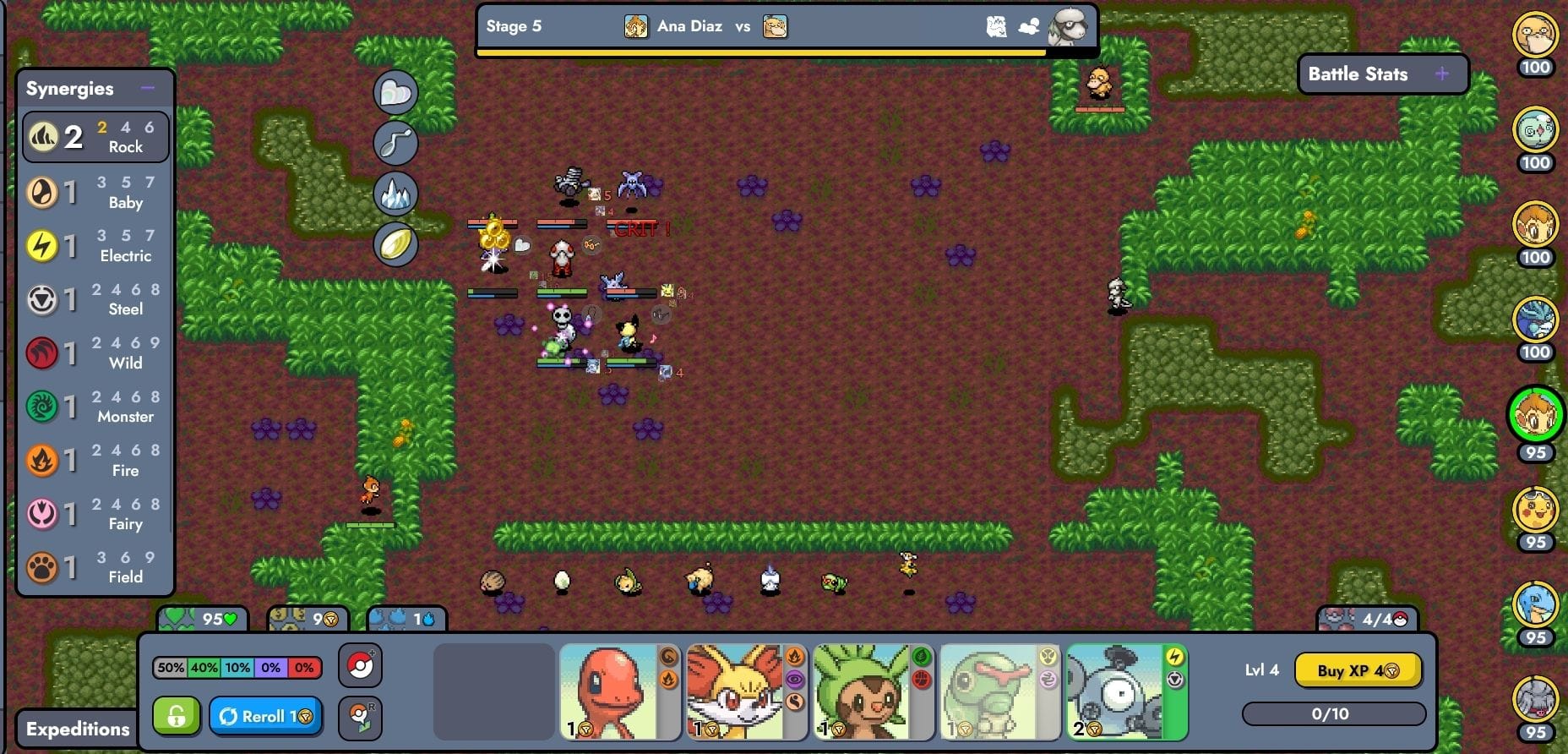
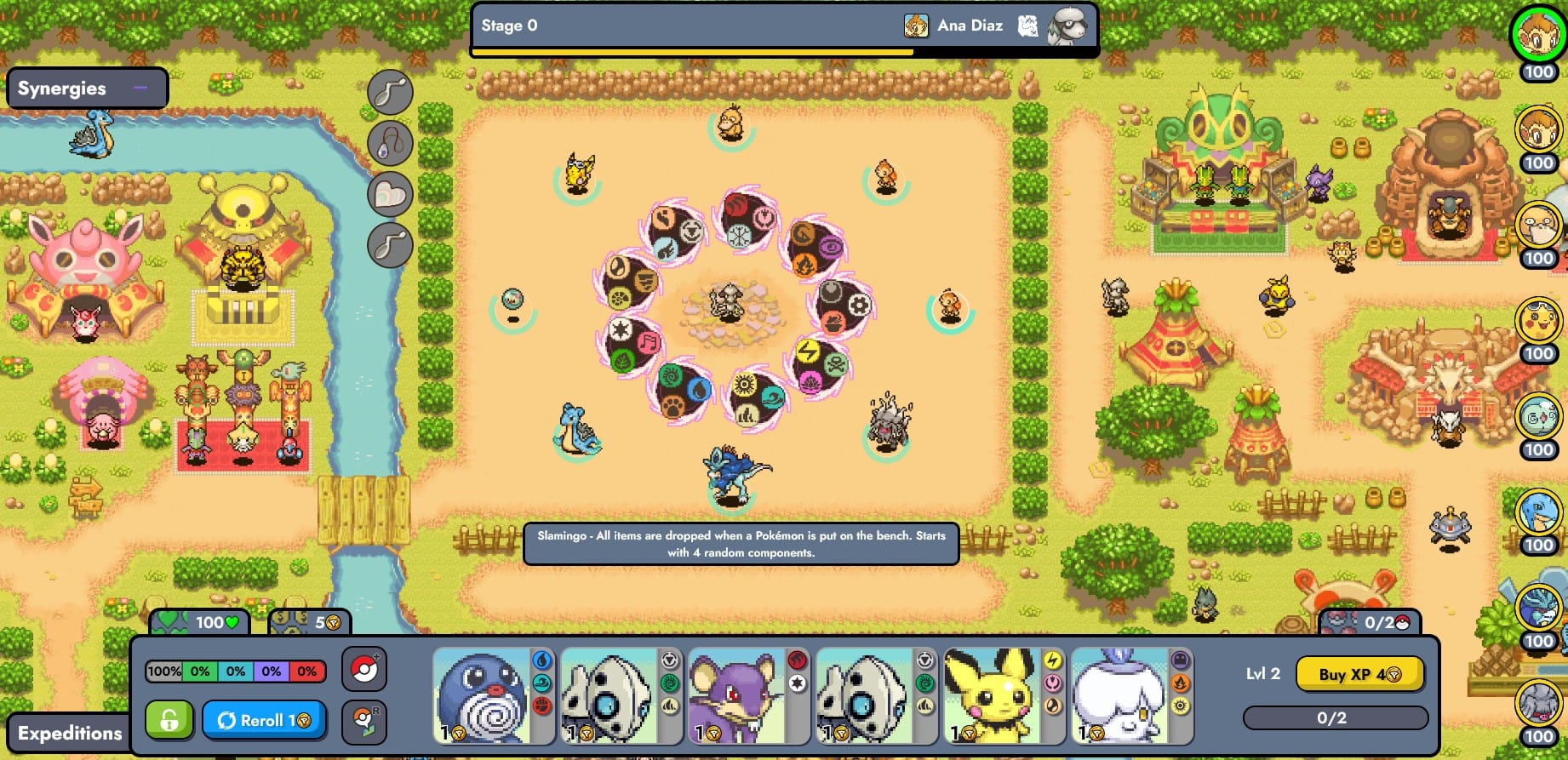
Keldaan, the developer of Pokémon: Auto Chess, loves his players’ dedication, though the attention can sometimes be overwhelming. Screenshots courtesy of Ana Diaz.
Similar to Frogzilla, Keldaan told me his work also became a viral phenomena after a streamer with a large following played the game live. This presented a challenge, because it’s an online game and players can host lobbies of up to eight players to compete online; managing the servers during a spike, he said, is “always a bit messy.”
While he emphasized that one of the best parts is seeing users’ dedication, sometimes, the attention can be a bit too much to handle. “Players can take the game very seriously, sometimes too seriously,” he said. “I closed my private Discord messages several years ago to make sure to avoid insults and personal attacks.”
In addition to scrutiny from fans, the creators of fangames have another major challenge to face: IP infringement. Fan developers have to contend with the ever-looming possibility that the legal teams from Nintendo and The Pokémon Companies will issue them a cease and desist, which could result in the end of their work. Pokémon Uranium—which was under development for roughly nine years—was reportedly issued cease and desists from the legal teams at Nintendo and The Pokémon Company. Involuntary Twitch, a lead developer behind Uranium, kept updating the game even after Nintendo issued the DMCA.
“A lot of people seem to be experiencing a strong emotional reaction to the news that we decided to remove the official download links—and this was bolstered by plenty of news articles & blog posts about the game claiming we ‘shelved’ the project after 9 years, or that Nintendo’s vindictive corporate suits got the better of us,” Twitch said in an interview with Kotaku at the time. “But our own feelings about this situation are completely different. Our game project, the one we devoted so many hours of our lives into and the thing that was for both of us the single greatest creation in our young lives, had been downloaded more than 1.5 MILLION times. That’s an incomprehensibly huge number of people playing our game.”
For the fan developers I spoke to, the threat of possible legal action looms large. Keldaan told me that having the game shut down is his “main fear” when it comes to the work. “It's not easy to accept it, but with time, I started to overcome this fear,” he said. “It’s not that I don't have a fear of [receiving a] DMCA, but more that I'm thankful for everything that has already happened. One day this whole adventure will end, with or without Nintendo. It'll be sad, but I prefer to see this as an opportunity to move on to something else, while remembering all the great achievements we made along the way.”
Frogzilla told me it is “definitely” a bit stressful making a game that could be shut down at any moment, but he tries not to dwell on that possibility. “I’ve always had sort of the mindset of, ‘if it happens, it happens and at least players will still be able to play what's already out there,’” Frogzilla said. “I’ve never made any money from the project, which I think is probably part of why Nintendo has left it off the hook so far. I’ve had countless people tell me that Infinite Fusion actually revived their love for the Pokémon franchise over the years so in a way, the game is really just free marketing for The Pokémon Company.”
Not every fangame is at risk for being taken down. Stardew Valley creator Eric Barrone has encouraged modding his game, and even added features to support it. In some cases, major companies like the Microsoft-owned Bethesda Softworks have welcomed fan creators, and even hired some in later games. This modding isn’t always exactly creating an original game, but many games start as mods, and these changes can introduce original content.
“It’s difficult to say exactly how the community affected the creation of the game. How does water affect the creation of the ocean? I can hardly separate one from the other.” — Amethyst Liddell
Nintendo, however, has a history of being notoriously litigious when it comes to maintaining the integrity of its games. This applies to modding, but it also can apply to fangames. In 2016, Nintendo’s legal team targeted a hosting site called Game Jolt and issued DMCA takedowns to over 500 free fan-made games for franchises like Pokémon, Metroid, and Mario. When it comes to the wider world of fangames, working on Pokémon carries a higher risk. This is the same legal team that took down a YouTube channel for archiving Nintendo music and also once prosecuted a 58-year-old man for modding a Nintendo Switch.
For Amethyst, she’s not worried about her game, because she’s already finished it—it’s more about how people see developers who work on adapting already-established IP. “Nowadays, I think the biggest impact on me is that it really inhibits me from being proud of it,” she said. “Obviously there’s a certain degree of social stigma around fan projects, but that at least is offset by the rivaling passion. With the threat of legal action, though, I feel like it’s a risk to hold my head too high. I can’t say with my full chest that this thing I poured ten or more years of my life into is mine, or even worthy of holding as an accomplishment. The nature of copyright and words like ‘plagiarism’ in fact make me worry if I shouldn’t be ashamed of it.”
There are logistical and technical reasons that make Pokémon such a fruitful ground for fangame production. As fangame projects continue to thrive, so have the ancillary communities around making tools to support that game development. Websites like PokéCommunity have allowed people to gather online and share knowledge on ROM hacking. The advent of digital tools like Pokémon Essentials, an RPG Maker XP, have allowed people to create their own games by dragging and dropping assets.
There’s now an entire generation that grew up with the franchise. People who played the games as kids are teaching their kids to play the games today. Unlike some fandoms, there are multiple touchpoints that people can engage with in order to feel connected to Pokémon. One person might play the games, but another person might collect the cards, whereas another fan might just really enjoy buying Pokémon plush toys. Within the larger fandom, there’s a massive community dedicated to craft hobbies. You have cosplayers, or the people who take photos of their toys at various real-world monuments. There are endless memes. And this is all in addition to other transformative practices like fanfiction and fanart. Pikachu and other adorable creatures can be slotted into any kind of everyday life activity.
These fangames are an expression of that expansive fandom—a massive global community of enthusiasts. “Pokémon has always held a huge place in my heart,” Frogzilla said. “I started watching the Pokémon anime when I was about five and got hooked on the games while growing up. I must have spent hundreds and hundreds of hours on the [Game Boy Advance] and [Nintendo] DS games as a kid. To me, making a Pokémon fangame is kind of a way for me to express my love of the franchise and it makes me really happy to be able to share it with so many others!”