I Came to Ruin You: The Collecting Practices of K-Pop Fandoms
From photo cards to video art installations, a tour through a recent exhibition showcasing K-pop fans’ communal creativity and cross-cultural exchanges.


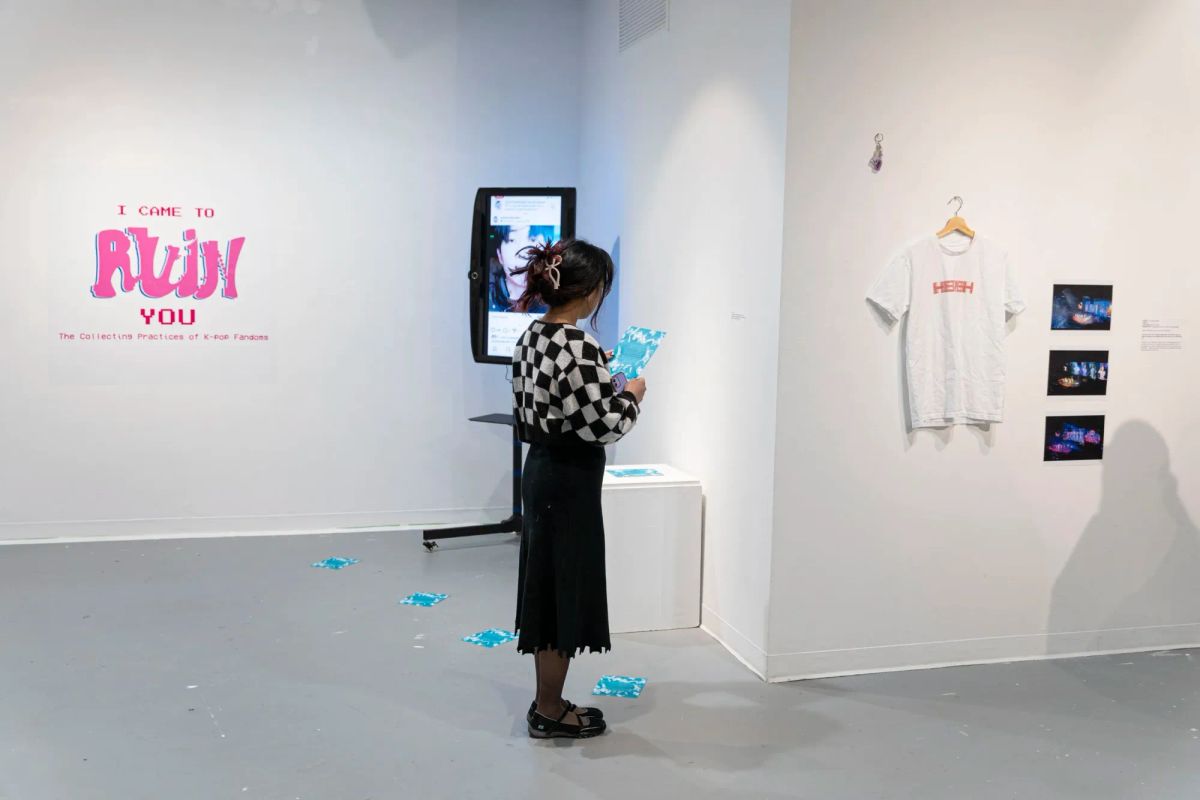
This month’s Fansplaining piece is a bit of a departure from our usual fandom reporting and critical analysis: we’re excited to share a virtual art exhibit of sorts, from Toronto-based curators and BTS fans Rea McNamara and Bo Shin. I came to ruin you: The Collecting Practices of K-pop Fandoms was on display at York University this past spring, and what follows is an expanded version of the exhibition’s brochure, plus images, videos, and interviews with fan collectors as well as participating artists Jiwon Choi and Lux Pyre.
In the 2017 song “Pied Piper,” the K-pop group BTS uses the infamous folktale as a cautionary metaphor for the band’s relationship with their fans’ all-consuming habits. The song begins in Korean with a verse by rapper and group leader RM cataloging the content fans devour—videos, photos, Twitter. The band’s vocal line (members Jin, Jimin, V, and Jungkook) then sultrily harmonize in the chorus about how fans need to “follow the sound of the pipes,” as described in a translation by the authoritative BTS translator Doolset.
While Jimin sings about being dangerous and sweet in Korean, main vocalist Jung Kook soon cuts in: “I came to rescue you; I came to ruin you” before closing in English, “I’m takin’ over you.” Like the original Pied Piper of Hamelin, K-pop idols lure fans into their dazzling orbit with translanguage and affective bodily expressions: to follow the song of heightened visuals, diverse sounds, and complex choreographies. This, in turn, leads K-pop fans to be in a community with other fans across fandoms and musical genres, who navigate within a local and global ecosystem of transcultural consumer practice.
Taking inspiration from one of the few K-pop songs about stan culture, I came to ruin you: The Collecting Practices of K-pop Fandoms explores K-pop fandoms as cross-cultural sites of exchange and knowledge mobilization. The research-based curatorial project combined collected K-pop fan memorabilia alongside artworks engaging with K-pop fandom as a subculture with a broad range of artistic and community-based practices.
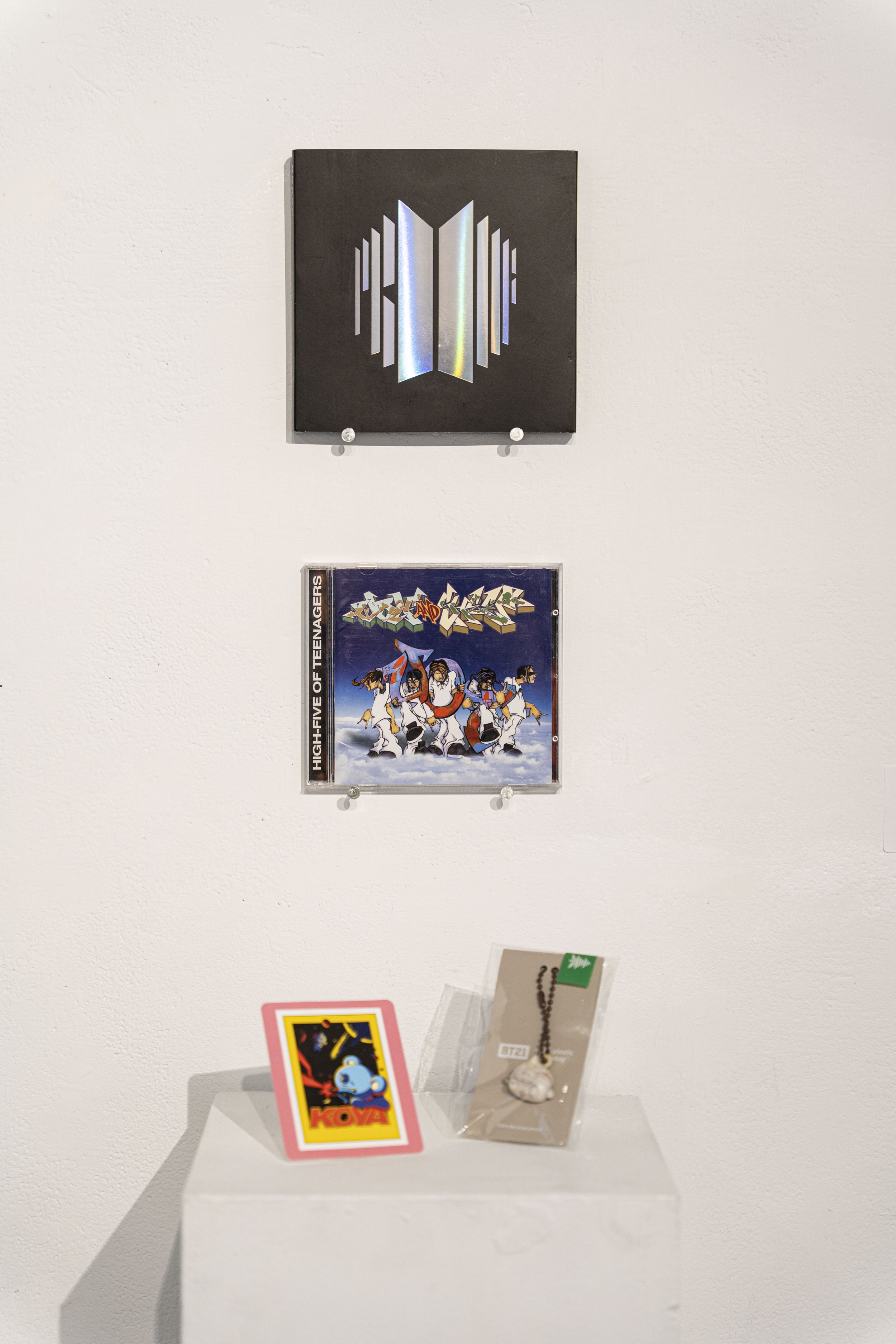
Full disclosure: We, as co-curators, have a K-pop fandom in common. We are “ARMY,” the eponymous fandom of BTS. Originally an acronym for “Adorable Representative M.C. for Youth” (harkening back to BTS’s roots as a hip-hop idol group), over the past decade, ARMY has become one of the most consequential global fandoms in recent memory.
With this fan-curator positionality, we built upon a burgeoning body of work by artists, curators, and art historians who adopt fandom as an expanded curatorial methodology. This included an exhibition-making case study written by another ARMY curator and writer, Sophia Cai, in the reader Bangtan Remixed (Duke University Press, 2024). More broadly, Fandom as Methodology (Goldsmiths Press, 2019), an anthology co-edited by art historians Catherine Grant and Kate Random Love, explores the potential for fandom in art, particularly from the perspective of transcultural, feminist, and artist-of-color fandoms.
As a result, we chose two fan concepts to bring together fanworks and artworks, curative and transformational fandom, which describe fans that primarily collect (“curative”) but also create fanwork informed by collecting that may challenge its source material (“transformative”). We examined the varied critical positionalities and emotional attachments of K-pop fandoms within these concepts.