Practicing Faith As Fans, or: Printing Fanfic for Shabbat
For religiously observant fans, balancing fandom and faith can be complicated.

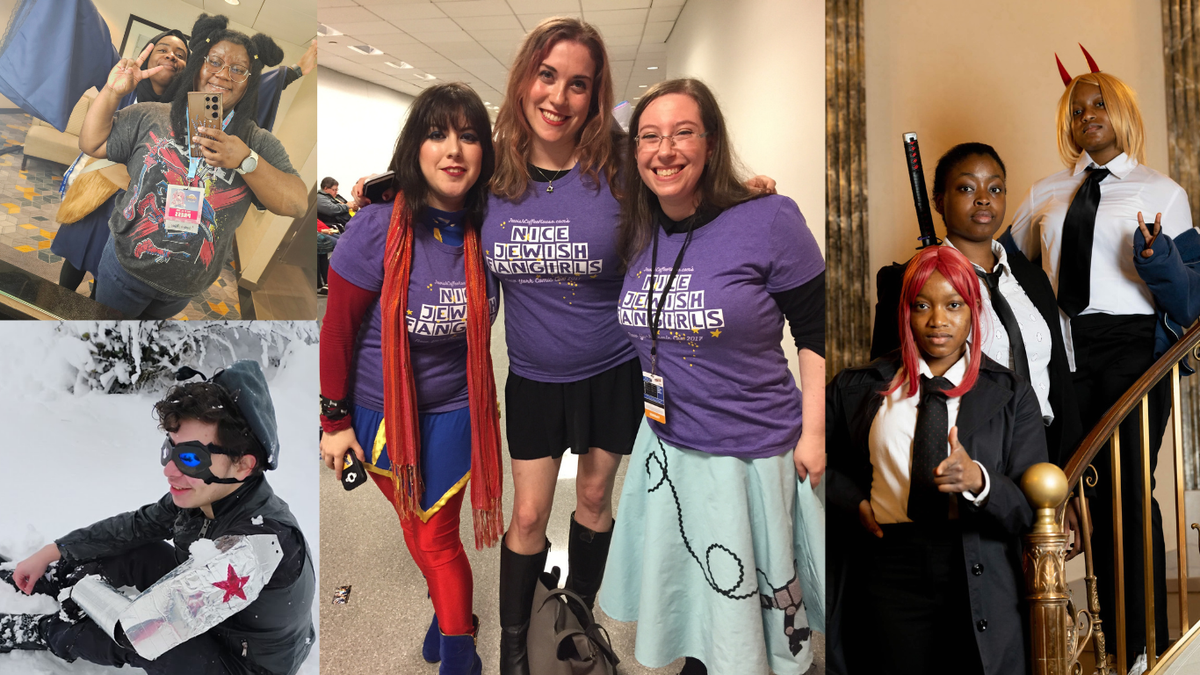
One of my biggest fears in the age of digital technology is that print books will cease to exist. Publishing industry ramifications aside, this is a practical fear: for 25 hours every week, from just before sunset Friday until after dark on Saturday night, I do not actively use any electronic devices. I’m a practicing Modern Orthodox Jew, and observe the Jewish Sabbath, or Shabbat. Lights go on timers, food is cooked overnight in slow cookers, and my phone is put aside.
Since childhood, I’ve spent Shabbats exploring fiction—mostly fantasy, sci-fi, and romance. Raised in a very fannish home—some of my earliest memories feature my father introducing me to Star Trek and Star Wars—I first encountered fanfiction in fifth grade. As an art form in modernity, it is predominantly digital; since I do most of my reading for pleasure on Shabbat, I never picked up fanfiction for long. Books simply were more practical.
In 2020, this changed. The pandemic made Shabbat particularly hard: a weekly time of community was shattered, as socializing and services at synagogue went on hiatus, and the routine of weekly meal plans and hanging out with neighborhood friends was broken.
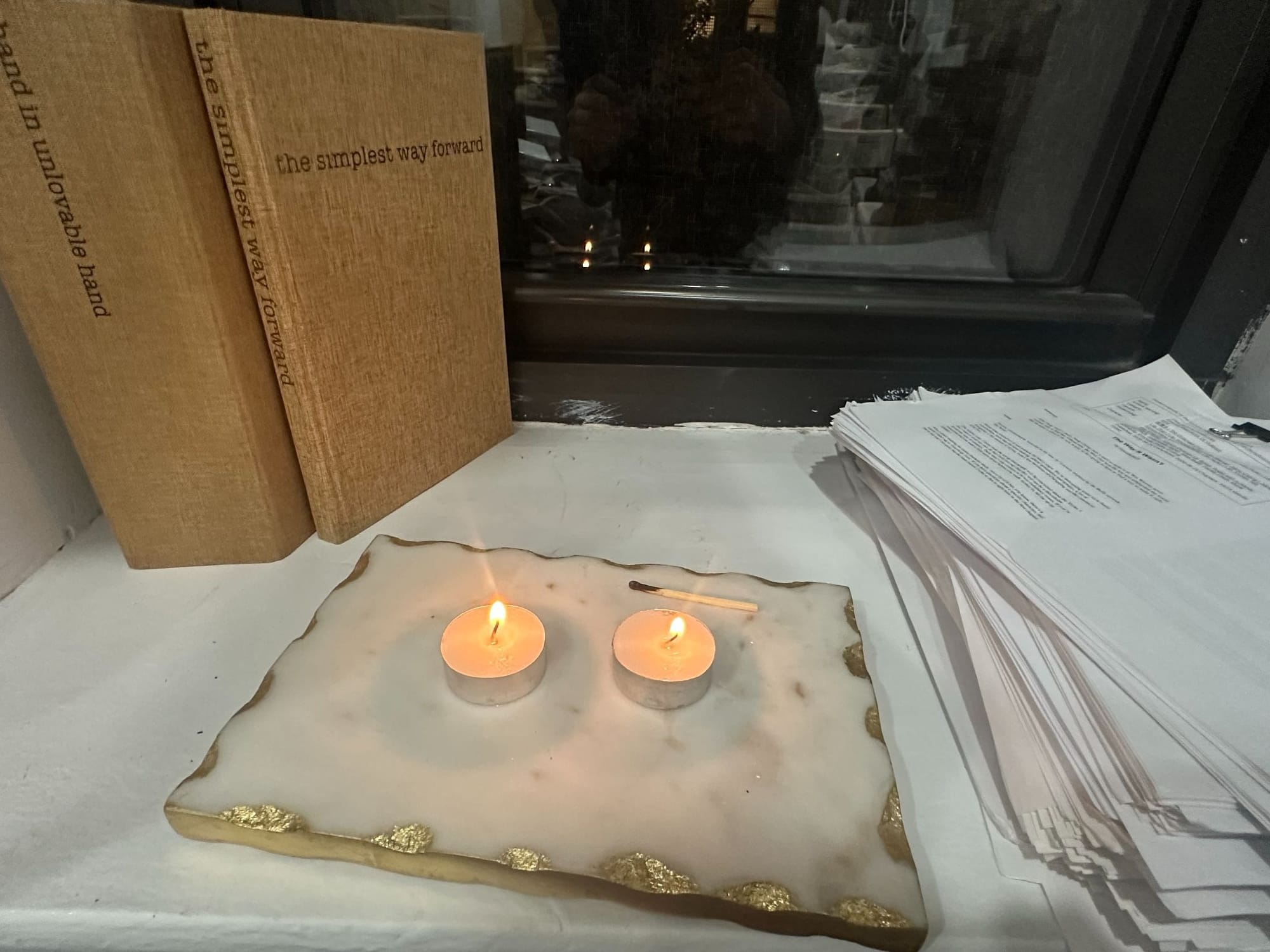
It was during this time that I began to print out fanfic to read on Shabbat. I became a fan of the Chinese television show The Untamed and started reading fanfic before I even finished watching the series. Printing fics helped me savor the feeling of immersion and added newness into my Shabbat experience in the middle of disjointed life.
I haven’t stopped printing them since. I have a box in my apartment full of printouts, where I update and replace fics on occasion. I’ve invested in better printers and more cost-efficient ink. Ahead of a Jewish holiday spent with my family last year, I asked the author of my favorite comfort fic if they’d mind if I got it bound. I’ve since had another one bound ahead of a holiday this year.
I’ve been an observant Jew my entire life and a fan nearly as long, but I rarely discuss my life’s focal points side-by-side; my religion and fannishness only rarely interact. Wanting to explore this dichotomy through the lens of the practices of religiously observant fans, I spent much of the past few months talking to people across faiths, fandoms, and observances.
Some of my interviewees were theologians and ordained religious leaders, though most were simply both fans and religious practitioners; every person I spoke with had to be actively practicing faith as they defined it, with observances and traditions varying widely. The majority were Christian, Jewish, or Muslim, though I also spoke with some Hindu and neo-pagan practitioners. Most, but not all, live in the U.S. I generally use full names, except for people who explicitly asked to use pseudonyms due to personal or professional privacy concerns.
I went into every conversation wondering about each person’s experience of practicing religiosity in the context of fandom. I quickly learned that even the idea of “practicing” or “observing” religiousness was shaped by people’s interpretations of different faiths and cultural backgrounds. There was no single pattern to how religious people approach fandom, or the ways they balance conflicts between their fannishness and their religiousness; there were many different perspectives on what it means to exist as a religious person today. Our worlds, of course, are the ones that we make for our fandom selves.
The Jewish new year, Rosh Hashana, is always a day of judgement—but this year, it felt like a personal test. The Korean band BIGBANG, one of the most impactful musical acts of the past two decades, was performing in New Jersey on the first night of the holiday. I discovered their music in high school and covered their career as a journalist for years, but I’d never seen them live. While my friends were partying it up at the concert at Metlife, I was dipping challah in honey in the hopes of a sweet new year, readying myself mentally for the next two days in synagogue spent ruminating on life and death. I was thinking, a lot, about decisions I make, and how I live.